
This is another guest post, this time from a fellow member of the Everyday Marksman Community. Unlike me, AKM295 actually knows what he’s talking about. If you like this content, please let him & I know down in the comments. -S_S
Food prepping on a budget can be tricky. Dehydrated food and MREs are well known and heavily marketed to the prepping community as a turnkey emergency solution. These options certainly have a place in a layered food storage approach, but they also have real downsides. They are often expensive and not necessarily the same food we would normally be eating or cooking in our day to day lives.

While TEOTWAWKI scenarios are valuable thought exercises, they can often be overwhelming to think about and unlikely to happen. There are a lot of common scenarios where having food set aside for an emergency makes sense. It might get tapped into when the power goes out and food in the fridge has turned. It might feed your family for a few days during a weather event when you aren’t able to make it to the store. It might even be called upon when you are between paychecks and need to put food on the table.
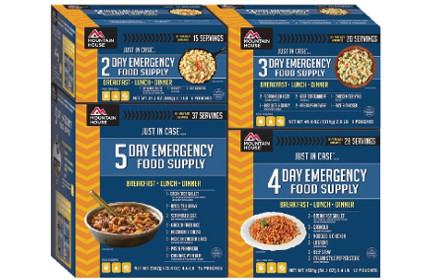
Depending on where you look and who you talk to, a recommended food supply might cover your needs from anywhere from two weeks to a whole year. These are great ideals to build towards, but you have to start somewhere and its best to start small and build from there. Three days worth of food is a sensible initial goal to strive for. A basic Mountain House 72 hour kit for one person runs for around $55 on Amazon at the time of this writing. The Mountain House idea has real merit, but at $55 a box, for a family of three or more that is a chunk of change to lay down. It also means in an emergency the family will need to use a lot of water to rehydrate dinner and every meal is going to be variations on mush in a bag. For folks just getting into preparedness or those on a budget, you may actually be better off hitting the grocery store for your food storage needs.

You can keep these foodstuffs separate from your day to day pantry by placing them in a plastic tote and tucking them away in a climate controlled part of your house. Rotating things every 6 months and will help keep food fresh. This option won’t be as portable or easy to cook on the go as the Mountain House option or MREs, but you can do breakfast, lunch, and dinner for a family for substantially less. An added benefit to this option is the food will be “normal” and depending on your menu wouldn’t be out of routine for you or the family. This is especially important for those of us with young kids or picky eaters. The below sample menu is a good start to get an idea of what your emergency menu could look like:
Breakfast: Oatmeal, pancake mix, cereal, bacon SPAM, canned corned beef hash, canned fruit in juice
Lunch: Canned soup, canned stew, and canned chili.
Dinner: Pasta and sauce, rice and canned veggies and SPAM for fried rice, couscous and canned veggies and canned chicken.
Snacks: Jerky, candy, crackers, peanut butter, dried fruit, snacks the kids like.
Beverages: Instant coffee, Tang/Kool-Aid/Gatorade, shelf stable milk
Many of these options are ready to eat or require minimal prep and cooking time. Canned soups and meals are good to go without additional water. Other quick and easy options could include boxed meals like Velveeta Shells and Cheese, Hormel Completes, Campbell’s Ready Meals, Pace Ready Meals, and the like.
Oatmeal, rice, and couscous require minimal water and help minimize emergency water use. Spaghetti is a great pasta, but it requires a large pot and wastes a lot of water. Macaroni, shells, or mini penne is a better choice here as your pasta option. Picking a small pasta that can be quickly cooked on a skillet covered with water means you are using cups of water instead of quarts with zero waste.
You can simplify your menu or expand your menu based on your budget, needs, and tastes. Pasta could be as simple as canned sauce and spaghetti or as complex as jarred pesto, peas, white beans, canned tuna, and farfalle. “Prepper food” is usually presented as spartan fare, but it really doesn’t have to be.
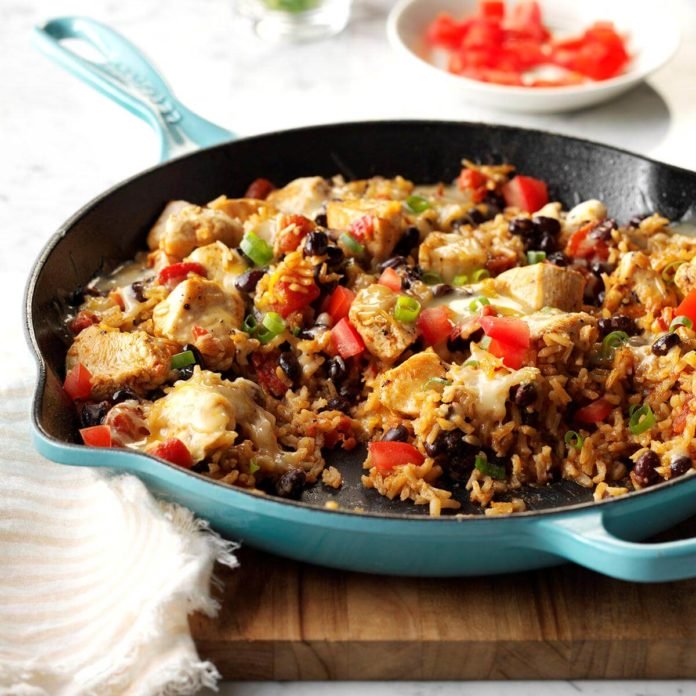
“Prepper food” is usually presented as spartan fare, but it really doesn’t have to be.
AKM295
There are cost cutting measures to look at for even the tightest budgets. We all know going with store brands over name brands adds up to savings. Choosing a canned option for something like pasta sauce instead of a jar can cut several dollars off your bill depending on the brand. And if need be, your menu can be just the bare basics. Oatmeal, soup, and pasta might be boring for three days straight, but it will still means full stomachs and that beats the alternative.
The important thing to takeaway from this post is you really do have options when it comes to food preps. Don’t forgo having something on hand you need because you can’t afford to have what you want. The reality is you can’t afford not to.
Once again, I’d like to thank AKM295 for today’s post. I know that I’m going to take some lessons away from this.
Stay prepared, and I’ll see you next Friday -S_S
Cover pic snagged from The Prepper Journal.
 Pro-Gun Millennial
2 thoughts on “Emergency Meal Planning on a Budget”